
Can I Combine Dental Treatments Safely?
By Meditrust Team · Published
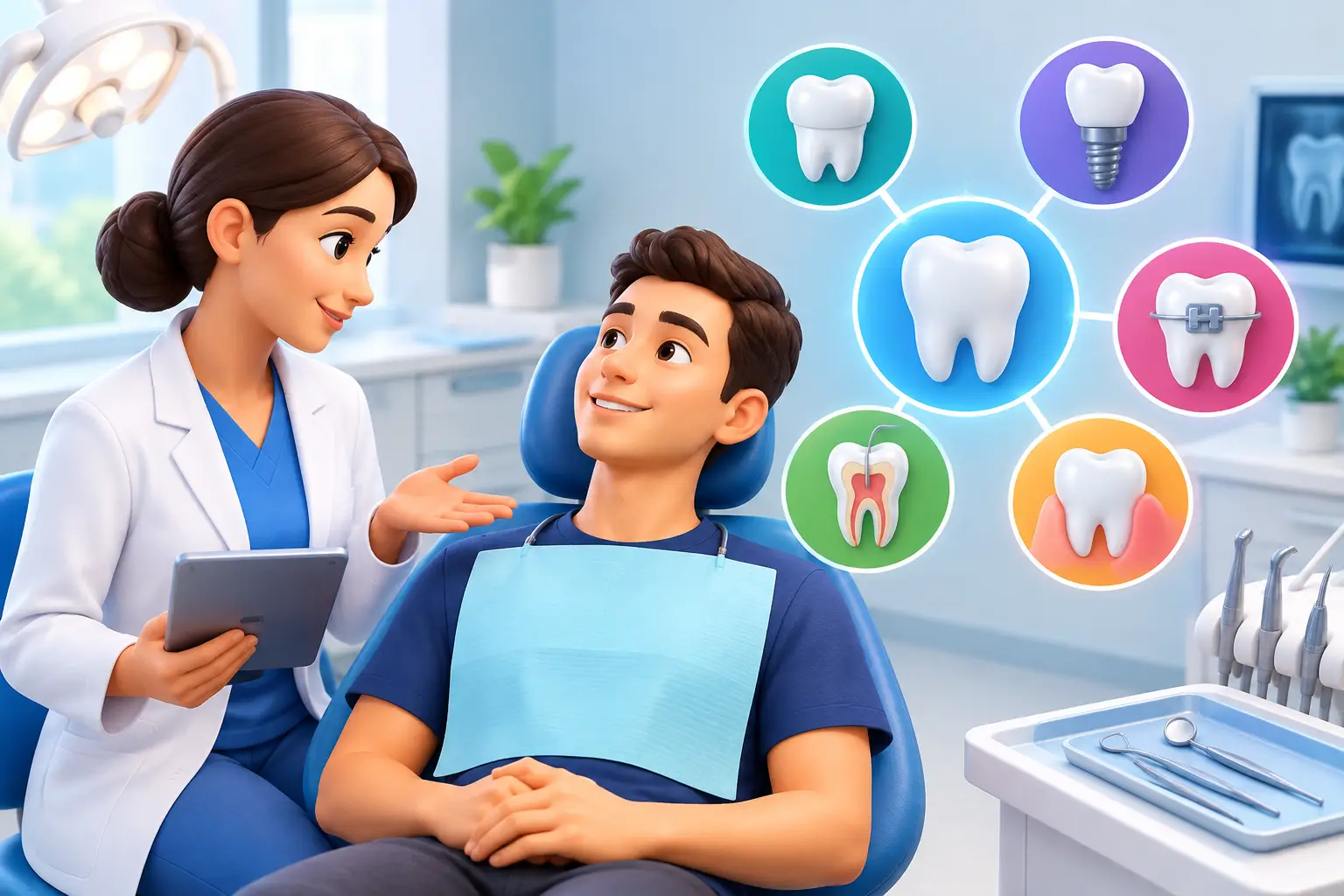
A short treatment trip can sound appealing when you have more than one concern with your teeth. But the honest answer to “can I combine dental treatments?” is: often, yes - provided the clinical plan, your health and the healing time all support it. Combining treatment should never mean cramming as much dentistry as possible into a few days.
For many UK patients travelling abroad, a well-planned programme can reduce repeat travel and create a more joined-up result. It may be possible to address decay before crowns, place implants where teeth cannot be saved, or coordinate whitening and cosmetic work in the right order. The key is being matched to a clinic that plans around your mouth, not around a fixed package.
When can I combine dental treatments?
Dental treatments are commonly combined when each stage supports the next. For example, a patient having a smile makeover may need hygiene treatment and minor gum work before veneers or crowns are fitted. Someone with missing teeth may require an extraction, bone grafting and an implant plan. These procedures can form part of one overall course of care, but not necessarily one appointment or one trip.
A clinician needs to assess the condition of your teeth, gums, bite, bone levels and existing restorations. This usually involves photographs, X-rays and, where appropriate, a three-dimensional scan. What appears to be a simple cosmetic issue can sometimes be affected by gum disease, infection, grinding or an unstable bite. Treating the visible problem without resolving the cause can compromise the result.
It also depends on your medical history. Diabetes, smoking, blood-thinning medication, immune conditions and a history of slow healing can all affect the pace and suitability of treatment. Be open about medication and health conditions from the start. A responsible clinic will ask, and may advise a staged approach rather than promising everything immediately.
Treatments that may work well together
Some combinations are routine when they are clinically appropriate. Hygiene and periodontal treatment may be carried out before cosmetic dentistry, because healthy gums provide a more stable foundation for crowns, veneers and bonding. Small fillings or replacement restorations may also be completed as part of wider cosmetic planning.
Implant treatment can be coordinated with extractions, particularly where a tooth is beyond saving. In selected cases, an implant may be placed at the time of extraction. In others, the site needs to heal first or requires bone grafting. A temporary tooth may be provided while the implant integrates with the bone, with the final crown fitted later.
Whitening is often considered before final veneers, composite bonding or crowns on visible teeth. This gives the dentist a clearer shade to match. Whitening after a crown or veneer is fitted will not change the colour of that restoration, which is why sequence matters.
Orthodontic treatment and cosmetic dentistry can also work together, although this is usually a longer plan. Moving teeth first may reduce the need for more extensive preparation later. It can be tempting to skip straight to veneers, but the least invasive option is not always the quickest one.
When combining treatment is not the right choice
There are situations where doing less, then reviewing, is safer. Active gum disease needs attention before elective cosmetic work. A painful tooth may need emergency treatment before any aesthetic decisions are made. If you need several extractions, extensive grafting or full-mouth rehabilitation, your body may benefit from recovery time between stages.
Healing is not an inconvenience to plan around. It is part of the treatment. Swelling, tenderness and temporary changes to eating are possible after surgical work, and rushing into final restorations before tissues settle can affect fit, comfort and appearance.
The same applies if your bite needs major adjustment. When multiple crowns are being considered, the dentist may use temporary restorations first to test comfort, speech and how your teeth meet. This provides useful information before final laboratory work is made. It can feel slower, but it protects you from committing to a result that has not been properly assessed.
Be cautious of any provider that offers identical treatment plans to everyone, gives firm clinical promises from a brief message, or pushes you to add procedures because you are already travelling. The clinic matters as much as the dentist. Good dentistry is based on diagnosis, not a sales target.
Plan around recovery, not just clinic time
If you are travelling to Turkey for dental treatment, the diary needs to include more than appointment slots. You need time for examinations, scans, laboratory work, fitting appointments and any necessary adjustments. You should also avoid booking a return flight immediately after an invasive procedure unless the treating clinician confirms it is suitable.
A sensible plan considers what you will be able to eat, whether you might have swelling, and how comfortable you will be travelling. If you are having implants, extractions or gum surgery, choose accommodation that makes it easy to rest and attend follow-up appointments. Do not assume you will feel like sightseeing between visits.
For larger cases, a second trip is sometimes the correct plan. Implant crowns, for instance, are often fitted after a healing period of several months. That is not a failure of organisation. It is the biology of implant treatment. A clear provider will explain what can be completed on the first visit, what is provisional and when you should return.
Questions to ask before agreeing to combined treatment
Ask for an itemised written plan that identifies each proposed procedure, the order it will happen in and whether any elements are optional. You should understand which work is urgent for your oral health and which is cosmetic or can wait.
It is also reasonable to ask what happens if the assessment on arrival differs from the photographs or records supplied in advance. Sometimes a scan reveals an infection, limited bone or a cracked tooth that could not be confirmed remotely. You need to know whether the plan and cost could change, who will discuss this with you, and whether you can pause before proceeding.
Clarify the expected trip length, number of appointments, temporary restorations and likely recovery. Ask what is included in the quotation: scans, anaesthetic, laboratory fees, transfers, medication, follow-up checks and any required return visit. The lowest headline figure can become expensive if important parts of the plan are unclear.
Finally, ask about support once you are home. Dentistry has risks even when treatment is carefully planned. You should receive written aftercare instructions, know how to contact the clinic, and understand who will help coordinate communication if you have concerns in the UK.
Why one coordinator can make a difference
Combining treatments involves clinical decisions, but it also creates practical moving parts. Records need to be shared securely, appointment timing needs to make sense, and you need one clear answer when plans change. Fragmented communication is a common source of anxiety for people arranging care overseas.
Meditrust coordinates patients with accreditation-checked private clinics after considering the treatment being explored, the likely timescale and the practicalities of travel. The purpose is not to persuade someone to have more treatment. It is to help them ask better questions, understand the proposed plan and keep one named point of contact from enquiry through UK aftercare.
An appointment-only UK consultation can be useful if you want to discuss a larger dental plan face to face before travelling. Where a visiting Turkish dentist is involved, a £100 holding deposit secures the consultation and is deducted from treatment costs if you proceed. It should still be a conversation, not a commitment to treatment on the day.
A combined plan should still feel personal
The right treatment plan may combine several procedures, or it may deliberately separate them. Both can be signs of careful care. Your dentist should be able to explain not only what is recommended, but why it is recommended now, what can wait and what the alternatives are.
If a plan leaves you feeling rushed, unclear about the cost, or unsure how you will be supported after travelling home, pause before booking. Thinking it through is the first step towards a result that is safe, manageable and worth the journey.
Already have a quote or a photo of your smile?
Send it to us on WhatsApp for an honest, confidential second opinion from our Dorset team. Free, and no obligation.
Work out your own cost with our Turkey teeth cost calculator
Prefer the full form? Start your enquiry