
Best Dental Implant Alternatives That May Suit You
By Meditrust Team · Published
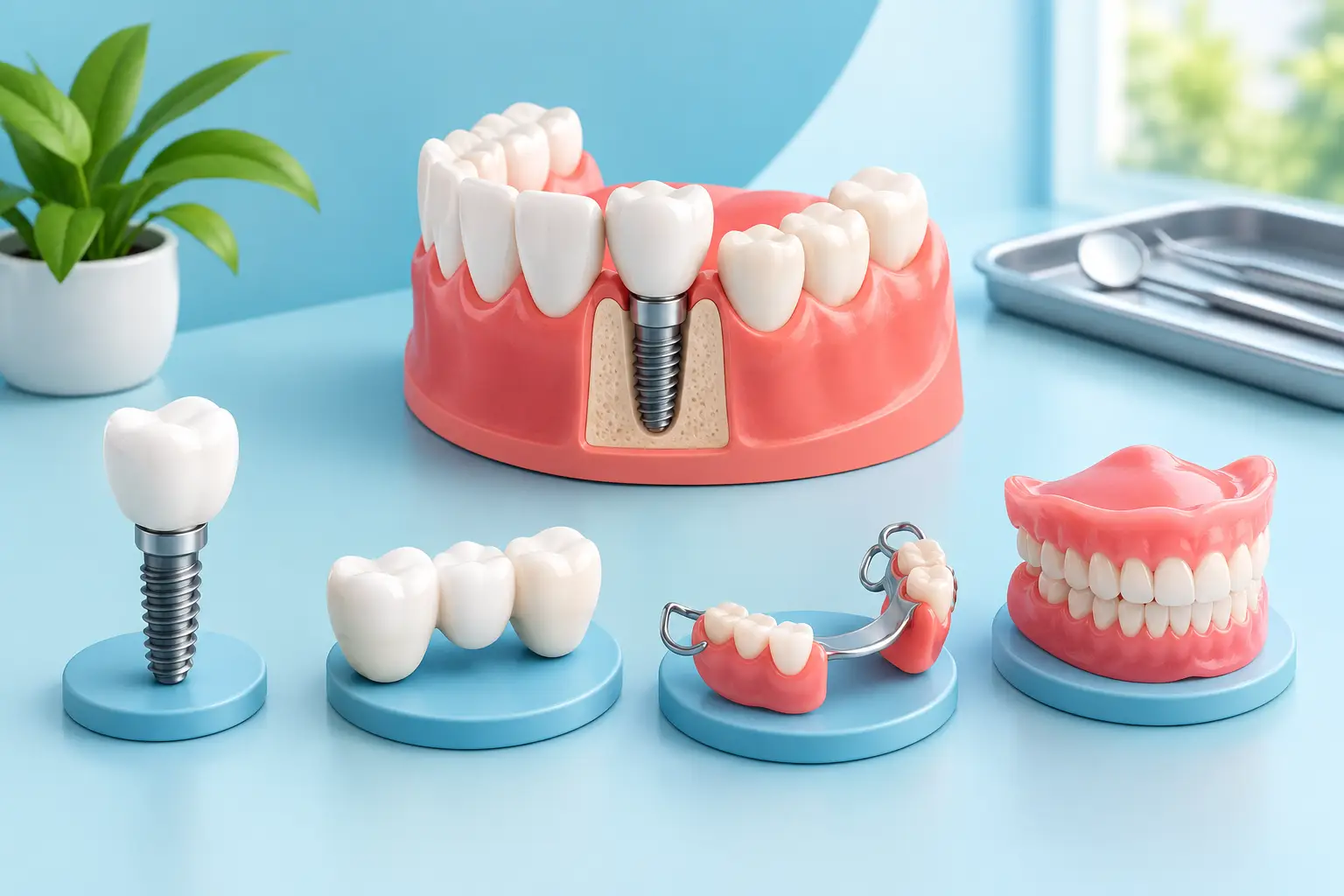
A missing tooth can affect more than your smile. It can change how you chew, make you self-conscious in photographs, or leave you wondering whether the neighbouring teeth will start to move. Implants are often presented as the obvious answer, but the best dental implant alternatives can be sensible, long-lasting choices when they suit your mouth, budget and priorities.
There is no responsible one-size-fits-all answer. An implant replaces a tooth root as well as the visible tooth, which brings real advantages in many cases. But it also requires enough healthy bone, careful planning, surgery and a healing period. For some people, a bridge or denture is more appropriate. For others, preserving a natural tooth with restorative treatment is the better outcome.
Start with the reason an implant may not be right
People look for alternatives for different reasons. You may have been told that bone loss means grafting would be needed before an implant can be placed. You may prefer not to have surgery, need to replace a tooth more quickly, or simply be weighing a lower upfront cost.
Medical history matters too. Conditions that affect healing, uncontrolled gum disease, heavy smoking, teeth grinding and certain medications can change the conversation. None automatically rules out every option, but each needs a proper clinical assessment rather than a quick recommendation based on a photograph or an online price.
The position of the missing tooth also makes a difference. Replacing a front tooth is often about appearance as well as speech. Replacing a back tooth needs to withstand substantial chewing forces. A treatment that works well in one part of the mouth may not be the best fit elsewhere.
The best dental implant alternatives, explained
Fixed dental bridges
A conventional bridge fills a gap with an artificial tooth supported by crowns on the teeth either side. It is fixed in place, so it does not come out for cleaning, and can look and feel more natural than many people expect.
A bridge can be a good choice when the supporting teeth already have large fillings, crowns or other reasons to be restored. It can also avoid implant surgery and is usually completed more quickly than an implant treatment plan.
The trade-off is that healthy neighbouring teeth usually need to be reshaped to hold the crowns. Bridges also need attentive cleaning underneath the replacement tooth. If a supporting tooth develops decay, gum problems or a crack later on, the whole bridge may be affected. A well-made bridge can last many years, but it is not maintenance-free.
Resin-bonded bridges
A resin-bonded bridge, sometimes called a Maryland bridge, is a more conservative option for a single missing tooth, particularly at the front. Rather than crowning the neighbouring teeth, the replacement tooth is attached to the back of one or sometimes two adjacent teeth with a discreet metal or ceramic wing.
Because little or no drilling may be required, this can be an attractive choice where the surrounding teeth are healthy. It is also often used as a temporary restoration while someone considers a more permanent plan.
It does have limits. Resin-bonded bridges can debond, especially where the bite puts pressure on the wing, and they may be less suitable for a missing molar. A clinician needs to assess your bite, the available space and the colour match before promising a predictable result.
Removable partial dentures
A partial denture replaces one or more missing teeth and is removed for cleaning. Modern options can be made from acrylic, flexible materials or a lighter metal framework, depending on the design and what your mouth needs.
Dentures are often the most accessible way to restore several missing teeth without surgery. They can be particularly useful where multiple teeth are absent, bone volume is limited, or a patient wants a practical solution while deciding on longer-term work. They can also be adjusted or added to if further teeth are lost.
The adjustment period should not be underestimated. A denture can initially feel bulky, may move slightly when eating, and requires daily cleaning and removal at night unless your clinician advises otherwise. Over time, gums and bone change shape, so relining or replacement may be needed to maintain the fit.
Keeping the space under review
In some situations, choosing not to replace a missing tooth immediately is reasonable. This is more likely where the tooth is at the back, chewing remains comfortable and the opposing tooth is unlikely to over-erupt into the gap.
It should be a conscious clinical decision, not an assumption that the gap does not matter. Teeth can drift, bite forces can change and cleaning around adjacent teeth may become harder. Regular reviews give you a chance to act if the situation changes.
Saving the natural tooth where possible
If the tooth is still present but damaged, the best alternative to extraction and an implant may be to retain it. Root canal treatment, a crown, an onlay, periodontal treatment or a rebuild can sometimes provide years of useful service.
Saving a tooth is not always possible or predictable, particularly when there is a deep fracture, extensive decay below the gum line or advanced infection. Still, extraction should follow a clear discussion of prognosis. Ask what can be done to retain the tooth, how likely it is to last and what happens if the treatment fails.
How to compare your options fairly
Price matters, but the cheapest quote is rarely the whole cost of treatment. A fair comparison looks at what is included: scans, temporary teeth, laboratory work, sedation if needed, follow-up visits, hygiene care and possible adjustments. It should also explain what happens if a bridge debonds, a denture rubs, or further treatment becomes necessary.
Appearance, comfort and time are equally relevant. A fixed bridge may suit someone who does not want a removable appliance. A partial denture may offer a faster and less invasive route where several teeth are missing. An implant may remain the strongest option for preserving bone in the gap, but only if the clinical foundations and aftercare are right.
Ask the clinician to explain the expected lifespan of each option in your circumstances, rather than accepting a generic promise. No restoration lasts forever. Teeth, gums, bite forces and home care all influence how long it performs.
If you are considering treatment abroad
Travelling for dentistry should not mean accepting a rushed decision. The clinic matters as much as the treatment itself. Before committing, make sure there is a written plan based on appropriate diagnostics, not just a broad package price. You should know who will carry out each stage, which materials are proposed, how many visits are needed and what aftercare will look like once you are home.
For bridges and dentures, the number of appointments and laboratory turnaround need particular care. A restoration made too quickly, without enough time to assess comfort and bite, can create problems that are difficult to resolve after you travel back to the UK.
Meditrust helps patients consider accreditation-checked clinics, itemised plans and travel arrangements with one named coordinator throughout. That continuity can be valuable when you are comparing options, but it does not replace a clinical examination or the need to follow the treating dentist's advice.
Questions worth asking before you decide
Will this option affect healthy teeth?
A conventional bridge may require preparation of adjacent teeth, while a resin-bonded bridge usually preserves more enamel. Ask exactly what will be altered and whether there is a less invasive alternative.
What maintenance will I need?
Bridges need cleaning beneath the false tooth, while dentures need removal and cleaning every day. Implants require careful gum care too. The best choice is partly the one you can realistically maintain.
Is this a temporary or long-term solution?
Some treatments are intended to hold the space while healing takes place or while you plan a future restoration. Others are designed as a longer-term solution. Being clear about that distinction avoids disappointment and helps you budget properly.
What support is available if I have a problem at home?
Whether treatment is in the UK or overseas, ask who to contact, what records you will receive and how adjustments or complications will be handled. Clear answers before treatment are far more reassuring than vague assurances afterwards.
The right answer is not always the most expensive treatment or the one advertised most heavily. It is the option that protects your oral health, fits your day-to-day life and is planned with enough care that you understand both the benefits and the compromises before you begin.
Already have a quote or a photo of your smile?
Send it to us on WhatsApp for an honest, confidential second opinion from our Dorset team. Free, and no obligation.
Work out your own cost with our Turkey teeth cost calculator
Prefer the full form? Start your enquiry