
Turkey Dentistry Trends 2026 That Matter
By Meditrust Team · Published
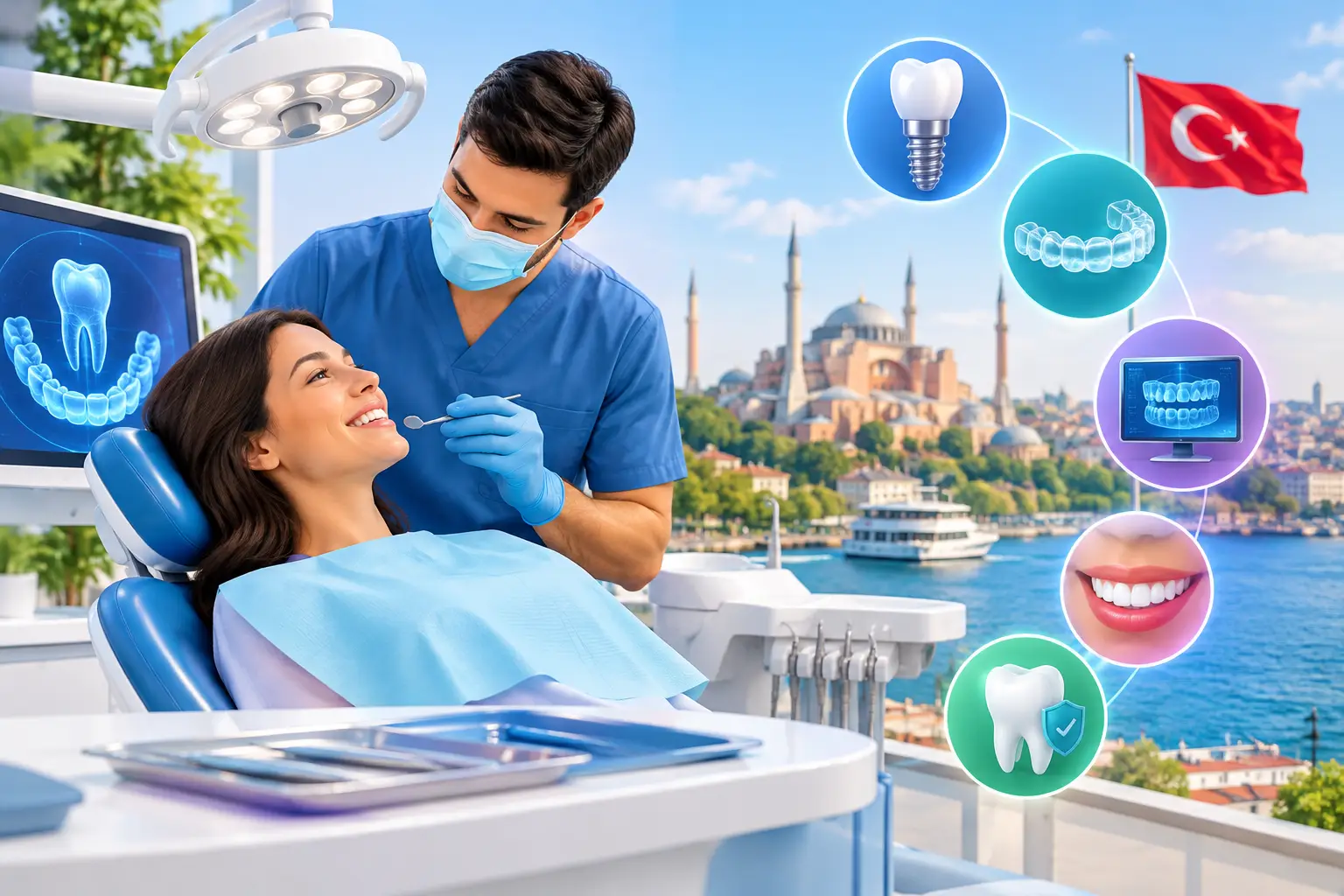
A smile makeover is not a handbag purchase. It can affect how you eat, speak, clean your teeth and feel about your appearance for years. That is why Turkey dentistry trends 2026 are less about finding the lowest advertised package and more about choosing planned treatment, a suitable clinic and proper support once you are home.
Turkey remains a serious option for UK patients facing high private fees or long waits for cosmetic and restorative dentistry. It has a large private healthcare sector, experienced clinicians and modern clinics. But the market is varied. A polished social-media page, a celebrity before-and-after photograph or a headline price cannot tell you whether a treatment plan is appropriate for your mouth.
The useful shift for 2026 is towards more informed questions. Patients are asking what is included, who will carry out each part of treatment, whether natural tooth tissue can be preserved, and what happens if they need help after returning to the UK. Those are the questions worth following.
Turkey dentistry trends 2026: planning before treatment
The strongest trend is not a particular veneer shade or a new marketing label. It is a move away from one-size-fits-all cosmetic packages towards diagnostics-led planning. For substantial work, that should mean a clinical examination, dental imaging where needed, a discussion of your bite and gum health, and a clear explanation of alternatives.
This matters particularly where crowns, veneers, implants or full-mouth rehabilitation are proposed. A good result is not simply teeth that look white in photographs. It needs to work with the gums, jaw and bite. Rushing this stage can lead to discomfort, excessive tooth preparation, poorly fitting restorations or treatment that is difficult for another dentist to manage later.
Digital smile design, intraoral scanning and provisional mock-ups are increasingly part of private dentistry in Turkey. Used well, they can help patients understand proposed shape, length and colour before final restorations are made. They are planning tools, not guarantees. A digital preview still needs clinical judgement, and your face, bite and natural teeth may limit what is sensible.
Ask whether the quote is based on recent photographs alone or on an examination and records. Remote planning can be helpful for an initial discussion, but it should not replace proper assessment once you are in the clinic.
Conservative treatment is becoming part of the conversation
UK patients have become more alert to the difference between veneers, crowns and composite bonding. That is a healthy change. Each option has a place, but they do not involve the same level of alteration to natural teeth, maintenance or long-term commitment.
Veneers may suit selected cosmetic concerns where there is enough healthy enamel and the bite allows for them. Crowns cover more of the tooth and may be appropriate for heavily restored, damaged or root-treated teeth, but they generally require more preparation. Composite bonding can be more conservative and easier to repair, although it can stain, chip and require maintenance. Orthodontic treatment, whitening or gum treatment may sometimes address the concern with less drilling.
There is no universally right choice. The sensible question is: why has this option been recommended for me? A clinic should be able to explain the expected benefit, the compromises and the alternatives in plain language. Be cautious if the answer is simply that a large number of crowns is the standard package.
Implants need time, not just a tidy itinerary
Dental implants remain one of the main reasons patients travel to Turkey. They can replace missing teeth securely and, in suitable cases, support bridges or full-arch restorations. Yet implant treatment is not always a single-trip solution.
Some patients can have an implant placed and receive a temporary tooth during their first visit. The final restoration may need to wait while the implant integrates with the bone. Others may need bone grafting, gum treatment, extra healing time or a staged approach. This depends on bone volume, infection, overall health, smoking status, bite forces and the area being treated.
A trend towards shorter visits should never overrule biology. If a plan promises final fixed teeth unusually quickly, ask what clinical criteria make that possible and whether the result is temporary or final. You should also know the implant system being used, how records will be provided, and what follow-up timetable is expected.
Clearer quotations are replacing headline prices
A low starting price can be useful as an early guide, but it is not a treatment plan. The more meaningful Turkey dentistry trend for 2026 is demand for itemised quotations before travel is booked.
A clear quote should set out the proposed treatment, the number and type of restorations, consultation and diagnostic fees, laboratory work, sedation if applicable, medication, transfers, accommodation arrangements where offered, and any likely exclusions. It should also explain what may change after an in-person examination. For example, untreated decay, gum disease, a tooth with a poor prognosis or a need for extra imaging can alter a plan legitimately.
What should not happen is a patient being pressured into unexpected work after arrival without time to understand the cost or clinical reason. Ask for changes to be explained, priced and agreed before treatment proceeds. Keep copies of the plan, receipts, radiographs and laboratory details for your own records.
The clinic matters as much as the dentist
A recognised name on social media is not the same as a checked clinical environment. Dentistry is delivered by a team: dentist, nurse, hygienist, laboratory, sterilisation staff and reception team. Standards in each part affect the experience and outcome.
Before committing, establish the clinic's address, who will treat you, the clinician's relevant experience, and whether the clinic is properly licensed. Ask how instruments are sterilised, how emergencies are handled, whether an English-speaking coordinator is available, and who will answer questions after you leave Turkey.
This is where independent scrutiny has real value. Meditrust works by filtering partner clinics through checks that include licensing, hygiene standards, on-the-ground visits and patient feedback, rather than presenting an unfiltered directory of offers. The purpose is not to promise that every treatment is risk-free. It is to give patients a clearer basis for choosing.
Aftercare is moving from an afterthought to a deciding factor
The treatment does not end at the airport. Swelling, sensitivity and adjustment are common after many dental procedures, but persistent pain, a loose restoration, signs of infection or difficulty biting should be addressed promptly. Patients need to know in advance who to contact and what support is available when they are back in the UK.
Good coordination means having one named person who knows the plan, rather than starting again with a different call-centre agent each time. It also means realistic advice about recovery. You may need to avoid certain foods, use a prescribed mouthwash, attend a hygiene visit, wear a night guard or arrange review appointments. Cosmetic dentistry needs maintenance, wherever it is carried out.
No coordinator can replace local emergency care. If you develop severe swelling, uncontrolled bleeding, difficulty breathing or swallowing, or feel acutely unwell after returning home, seek urgent medical help in the UK. For less urgent concerns, clear records and a responsive treatment team make it far easier to decide the next step.
Travel planning is part of clinical planning
It is tempting to choose flights first and fit treatment around them. For dental work, the order should be reversed. Confirm how many days are needed, whether there are laboratory stages, and whether a review is required before you fly home. Avoid booking a tightly timed return journey immediately after a major procedure if the clinic expects to review swelling, bite or healing.
Travelling with someone can be reassuring after sedation or extensive treatment, although it is not always necessary. Build in a little flexibility for adjustments and do not plan a demanding holiday around the same visit. Rest, hydration and following the clinic's instructions are more useful than sightseeing with a sore mouth.
Choose evidence over urgency
The best of the Turkey dentistry trends 2026 is a more careful patient mindset. Compare plans, not just prices. Ask what is being preserved, what might need maintaining, and what happens if the clinical picture changes. A clinic that gives you time to consider the recommendation is usually giving you something more valuable than a quick sale: room to make a decision you can live with.
Thinking it through is the first step. The right treatment should feel explained, documented and proportionate to your needs, with support that continues after the flight home.
Already have a quote or a photo of your smile?
Send it to us on WhatsApp for an honest, confidential second opinion from our Dorset team. Free, and no obligation.
Work out your own cost with our Turkey teeth cost calculator
Prefer the full form? Start your enquiry