
What Does a Smile Makeover Include? Your Options
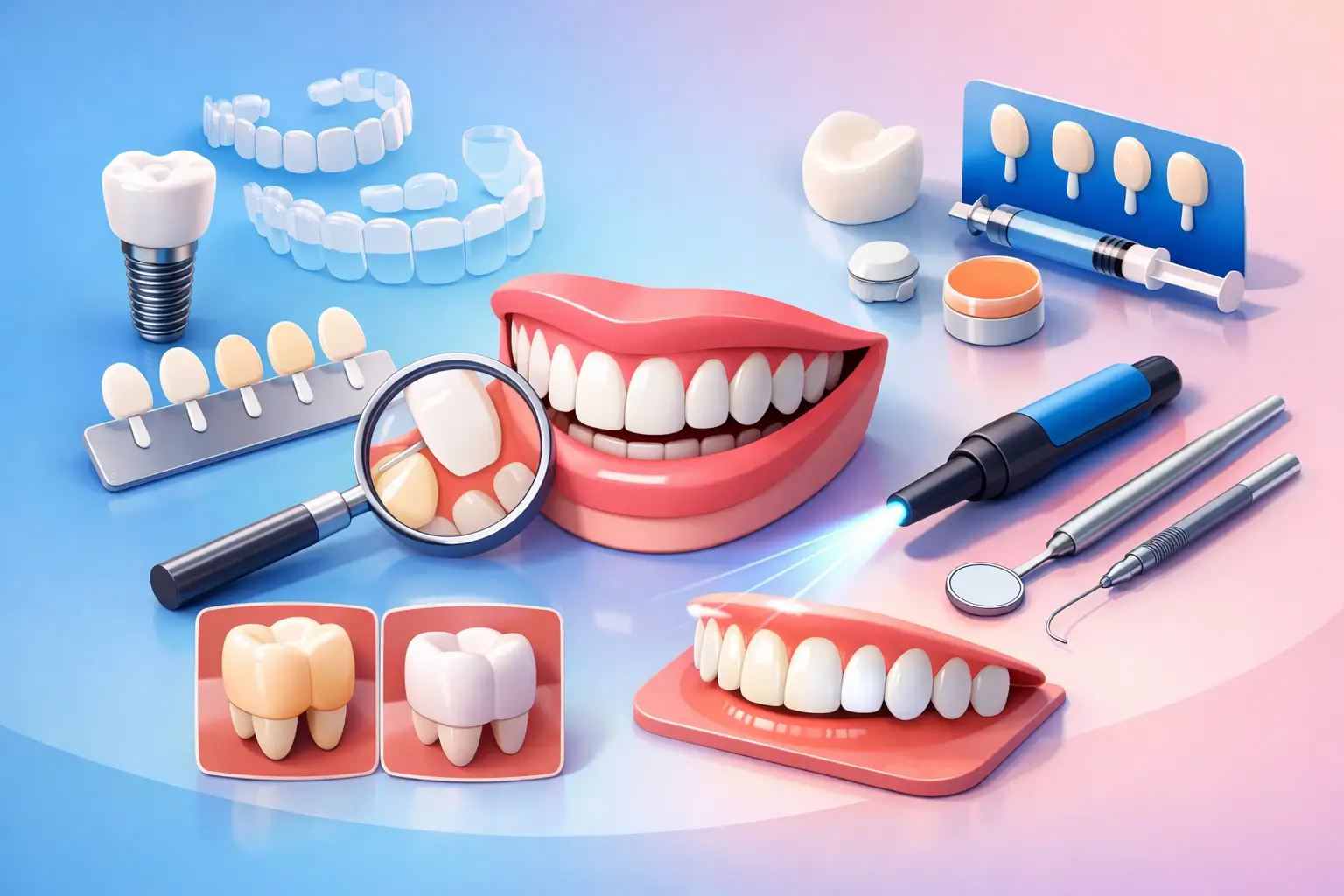
A smile makeover is not one standard treatment you can order from a menu. If you are asking what does a smile makeover include, the honest answer is that it depends on the condition of your teeth and gums, how you bite, and what you would like to change. For one person, it may mean whitening and a small amount of bonding. For another, it may involve crowns, veneers, implants and gum treatment over more than one visit.
That difference matters, particularly when you are considering treatment abroad. A low headline figure is not a treatment plan. You need to know what is being proposed, why it is appropriate, what is excluded, and who remains available once you are back in the UK.
What does a smile makeover include in practice?
A properly planned smile makeover usually begins with assessment rather than cosmetic work. The dentist should look at the health of your teeth and gums, take suitable scans or X-rays where needed, assess your bite, and talk through your goals. They may ask what you dislike about your current smile, but they should also explain what is realistic and what may not be in your long-term interests.
The treatment itself can combine several approaches. Not every smile makeover needs every option below:
- professional tooth whitening for natural teeth that are healthy but darker than you would like;
- composite bonding to reshape, lengthen or repair small chips and uneven edges;
- veneers to alter the visible front surface of selected teeth;
- crowns for teeth that are significantly weakened, heavily filled or already damaged;
- dental implants to replace missing teeth where suitable;
- gum treatment or gum contouring where gum health or an uneven gumline affects the result.
Orthodontic treatment may also be recommended before cosmetic work if teeth are crowded, tilted or positioned in a way that would make veneers or crowns unnecessarily destructive. This can add time, but it can also preserve more natural tooth structure. A good plan does not force every concern into the quickest possible cosmetic solution.
Start with health, function and bite
The most visible part of a makeover is often the final shade and shape of the teeth. It is not, however, the first clinical priority. Gum disease, active decay, infection, unstable fillings and unresolved tooth pain need attention before elective cosmetic treatment. Placing restorations over unhealthy foundations can create expensive problems later.
Your bite matters too. If you grind your teeth, clench at night or have a bite that places excessive pressure on certain teeth, new veneers or crowns may chip, loosen or wear prematurely. Some patients need a night guard after treatment. Others may be advised that a more conservative approach is safer than changing a large number of teeth.
This is one reason a complete set of same-day cosmetic treatment is not right for everyone. Speed can be appropriate when the diagnosis and preparation support it. It should not replace careful planning.
Veneers, crowns and bonding are not interchangeable
These terms are often used loosely online, which can make quotes difficult to compare.
Composite bonding adds tooth-coloured material to the existing tooth. It can be a conservative option for minor changes, though it may stain, chip or require maintenance over time. It is often suitable where the tooth is structurally sound and the change required is modest.
A veneer is a thin facing, commonly ceramic, bonded to the front of a tooth. It can change colour, shape and proportions more substantially than bonding. Depending on the case and material, it may require some preparation of the natural tooth. That is a decision to discuss clearly before treatment, not after you arrive.
A crown covers the whole tooth. It may be appropriate when a tooth has a large filling, crack, root canal treatment or significant loss of structure. A crown is not automatically a better veneer. It is a different restoration with a different purpose, and using crowns on healthy teeth simply to achieve a cosmetic result deserves careful consideration.
A clear treatment plan should state which teeth are receiving which restoration. “Twenty teeth” alone does not tell you whether you are comparing like with like.
Design is more than choosing very white teeth
Smile design may involve digital photographs, scans, mock-ups or a temporary preview. These tools can be useful for discussing length, width, symmetry and colour before final restorations are made. They are not a guarantee that every result will look identical to a computer image, but they create an important opportunity to ask questions.
A natural-looking result normally considers your facial features, lip line, age, skin tone and neighbouring teeth. Extremely bright shades can suit some people and feel wrong for others. The aim should be a smile you are comfortable wearing, rather than one copied from a filtered photograph.
Ask whether the proposed work includes a trial smile or provisional restorations, particularly for a larger case. This can make it easier to assess speech, bite and appearance before the final work is fitted.
What a transparent treatment plan should show
Before committing, ask for an itemised plan in writing. It should identify the procedures proposed, the number and type of restorations, the materials being used, and whether scans, X-rays, temporary teeth, medication, transfers or accommodation are included.
You should also know what happens if the dentist finds decay, gum problems or a tooth that cannot support the planned restoration. These findings do not necessarily mean something has gone wrong. They are part of clinical reality. What matters is whether the clinic explains the options and any additional costs before proceeding.
For implant cases, details are particularly important. Implant treatment may involve extraction, bone grafting, healing time and a later visit for the final crown. It is rarely sensible to assume that an implant can be completed within one short trip without reviewing your scan and clinical circumstances first.
Planning treatment in Turkey without losing oversight
Turkey has many experienced private dentists and modern clinics, but standards and treatment philosophies still vary. The clinic matters as much as the dentist. A polished social media page cannot confirm hygiene processes, diagnostic standards, laboratory quality or how concerns are handled after you leave.
For UK patients, preparation should begin before flights are booked. Send clear photographs and recent dental X-rays if available, while understanding that remote information only supports a provisional plan. The final clinical decision should follow an in-person examination.
Meditrust coordinates access to accreditation-checked clinics rather than asking patients to choose from an unfiltered online list. That includes on-the-ground clinic checks, clear communication around the proposed treatment and one named coordinator through the planning and aftercare process. If you would prefer to speak in person before travelling, appointment-only UK consultations with visiting Turkish dentists may be available. A £100 holding deposit secures the appointment and is deducted from treatment costs if you proceed.
Allow enough time for the right appointments
A cosmetic case commonly involves an initial assessment, tooth preparation where needed, temporary restorations, laboratory work, fitting and final bite checks. The exact number of days depends on the work involved and the clinic’s process. Do not treat the fitting appointment as the only meaningful part of the trip.
Build in a little flexibility. A bite adjustment or review may be needed before you fly home, and rushing to the airport straight after extensive treatment is rarely ideal. If you are combining dental care with a holiday, plan the clinical appointments first and keep the rest of the schedule light.
After returning to the UK, sensitivity can settle over days or weeks depending on the treatment. You should receive guidance on cleaning, eating, smoking, alcohol where relevant and when to seek help. Keep copies of your treatment records, X-rays where supplied, materials information and any guarantee terms. These documents are useful if you later need to speak to a UK dentist.
Questions worth asking before you say yes
You do not need clinical training to ask sensible questions. Ask why each tooth needs the proposed treatment, whether a more conservative option exists, and what preparation will be required. Ask who will carry out the work, whether the laboratory is named, and how the result will be checked before final fitting.
It is also reasonable to ask about maintenance. Veneers, crowns and bonding are not fit-and-forget purchases. They need good home care, regular hygiene appointments and occasional repair or replacement over their lifespan. A clinic that discusses this openly is helping you make a more durable decision.
Finally, ask what support exists if you are worried after returning home. No coordinator can replace a clinical examination when urgent care is needed, but clear routes for advice, records and follow-up reduce the uncertainty that often follows overseas treatment.
The best smile makeover is not necessarily the one that changes the most teeth. It is the one that protects what is healthy, addresses what needs treatment and leaves you with a plan you understand before you travel.
Talk it through with us
Initial advice is free. A named coordinator will answer your questions.
Start your enquiry