
What to Check Before Choosing Dental Veneers
By Meditrust Team · Published
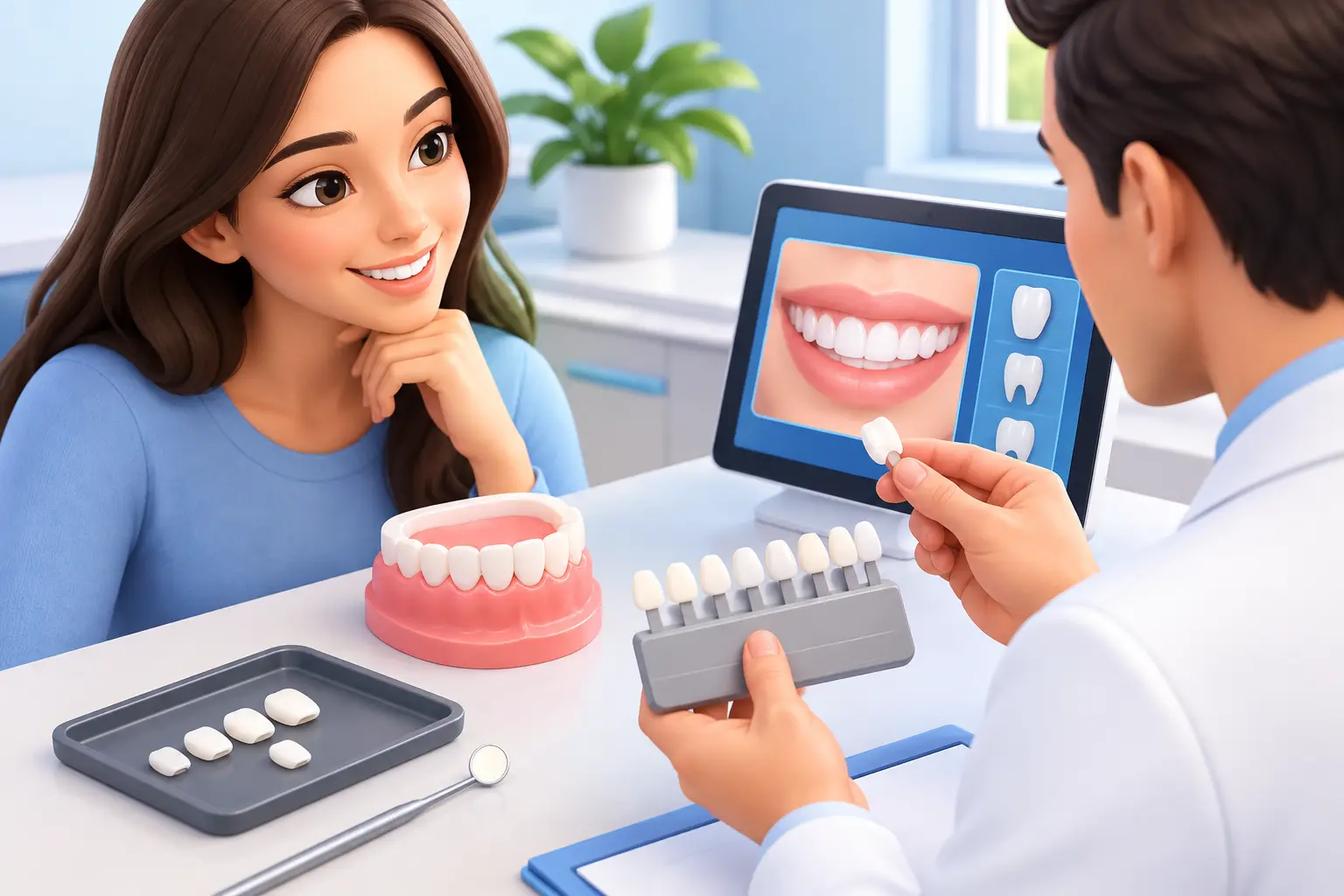
A very white smile in a before-and-after photograph does not tell you how much tooth was prepared, whether the bite was checked, or who will answer the phone if you are worried once you are home. Dental veneers can produce a meaningful cosmetic change, but they are a treatment to plan carefully, not a holiday purchase.
For UK patients considering treatment in Turkey, the decision is about more than finding an attractive quote. You need a clinician who can explain the options honestly, a clinic with appropriate standards, a clear treatment plan and a route to support after you travel back.
Dental veneers: what are you agreeing to?
A veneer is a thin facing bonded to the front surface of a tooth. It can change the colour, shape, length or apparent position of a tooth, and is often considered for worn edges, gaps, mild unevenness, staining that does not respond well to whitening, or teeth that look disproportionately small.
Porcelain veneers are commonly chosen for their natural light reflection and stain resistance. They are made in a laboratory and, when properly planned and bonded, can be a long-term restoration. Composite bonding uses tooth-coloured resin placed directly onto the tooth. It can be more conservative and easier to repair, but may stain, chip or lose its polish sooner. The right choice depends on your teeth, bite, expectations and willingness to maintain the result.
The word “veneer” is also used loosely online. Some smile makeover plans involve crowns rather than veneers. A crown covers the whole tooth and generally requires more preparation. That may be clinically appropriate for a heavily restored or badly damaged tooth, but it is not the same treatment. Ask exactly what is proposed for each tooth and why.
A good plan should make clear whether teeth will be left largely untouched, lightly prepared or substantially reduced. In many cases, enamel removal is irreversible. That does not automatically make veneers the wrong choice, but it does mean you should understand the lifelong commitment before consenting.
Start with suitability, not shade selection
Veneers do not cure active decay, gum disease, untreated infection or a significant bite problem. If gums bleed regularly, teeth are loose, or there is pain and swelling, the priority is diagnosis and treatment of the underlying issue.
Teeth grinding and clenching also need an honest discussion. Veneers can be suitable for some people who grind their teeth, but the design, material and use of a protective night guard may need to change. Someone who wants a long, uniform row of very bright teeth may not be a suitable candidate if the design would overload the bite or look out of proportion with their face.
Photographs are useful for an initial conversation, but they are not a substitute for an examination. A responsible dentist should assess your teeth, gums, existing fillings, bite and relevant X-rays before confirming a final plan. Be wary of anyone who guarantees a fixed number of veneers, a particular shade or a final result solely from photos sent by message.
How to assess a clinic for dental veneers
The clinic matters as much as the dentist. Smart interiors and a busy social-media feed are not evidence of careful clinical practice. Look for clear answers on the practical points that affect your safety and outcome.
First, ask who will carry out the examination, tooth preparation and fitting, and what their qualifications and experience are in cosmetic restorative work. You should know the name of the treating dentist, not just the name of a clinic account.
Next, ask how the clinic plans cases. For a more extensive smile change, that may include photographs, scans, X-rays, a digital or physical preview, and a discussion of tooth shape and bite. A temporary mock-up can be helpful where appropriate because it lets you comment on the proposed look before the final restorations are made.
Hygiene and regulation matter too. Check that the provider is appropriately licensed, that the setting is a genuine dental clinic and that there is a documented approach to sterilisation, consent and clinical records. Ask what happens if the dentist finds decay, gum inflammation or a different issue after you arrive. An ethical clinic will explain the options rather than pressuring you to proceed with cosmetic work regardless.
Finally, make sure communication is clear. You should receive an itemised written quotation stating the number and type of restorations, diagnostics, temporary work if needed, any gum treatment, medication where clinically prescribed, transfers and accommodation arrangements if these are included. “From” prices and package language can obscure meaningful differences in treatment.
Meditrust filters partner clinics through licensing checks, hygiene reviews, on-the-ground visits and ongoing patient feedback, while giving patients one named coordinator throughout the process. That continuity is particularly valuable when you need an answer before travelling or support after returning to the UK.
Plan the trip around the clinical stages
Veneers are not usually a one-chair appointment. The first visit may include examination, planning, preparation and scans or impressions. The laboratory then produces the restorations before a fitting appointment, where the dentist checks colour, shape, fit and bite before final bonding.
Trip length varies with the number of teeth, the type of restoration, laboratory schedules and whether additional treatment is required. Do not book flights tightly around a provisional timetable. Allow enough time for fitting, adjustments and a final review, especially if you are having a larger cosmetic case.
It is sensible to travel with someone if that would make you feel more comfortable, although most veneer treatment does not require a carer. Keep copies of your treatment plan, X-rays where provided and invoices. These are useful for your own records and if you need to see a dentist at home later.
The cost question: compare plans, not headline prices
Turkey can offer lower private-treatment costs than the UK, but the cheapest quotation is not necessarily the best value. One quote may cover porcelain veneers, laboratory work, consultation, transfers and hotel support. Another may only cover a basic restoration price, with diagnostics, temporary veneers, treatment for decay or additional nights added later.
Before committing, ask what is included if your case changes after the examination. You should also ask whether the quoted material is the material that will be used, whether a warranty is offered and what it covers, and whether a repair or adjustment is handled if a problem develops soon after treatment. A warranty is not a replacement for proper planning, but vague promises are not enough.
A holding deposit for a consultation should be explained clearly. If you choose an appointment with a visiting dentist in the UK, Meditrust’s £100 holding deposit is deducted from treatment costs when you proceed. You should never feel rushed to pay for treatment before you have had the chance to ask questions and consider the plan.
Aftercare begins before you fly home
New veneers can feel unfamiliar at first. Your tongue may notice changed edges, and your bite may need a small adjustment. Contact the treating clinic promptly if you have persistent discomfort, a high bite, a rough edge, a veneer that feels loose, swelling or a change in how your teeth meet.
Longer term, veneers need the same basics as natural teeth: effective brushing with fluoride toothpaste, cleaning between teeth, routine dental examinations and hygienist visits where advised. Avoid using teeth to open packaging or bite hard objects. If you clench or grind, wear any night guard recommended by your dentist.
No provider can guarantee that a restoration will never chip, debond or need replacement. What matters is that you know who to contact, what information they will need and how a concern will be assessed after you return home. A clear aftercare route is part of the treatment plan, not an optional extra.
Questions worth asking before you decide
Will I know whether I need veneers or crowns before travelling?
You should receive an initial indication from photographs and records, but the final recommendation may depend on an in-person examination and X-rays. Ask the clinic to explain what could change the plan and what you would pay if it does.
Can I choose a very bright white shade?
You can discuss shade preferences, but the dentist should guide you on a result that suits your complexion, neighbouring teeth and facial features. Natural-looking cosmetic dentistry is usually about proportion and texture as well as whiteness.
What if I need help once I am back in the UK?
Ask for the aftercare process in writing before booking. Know whether you will speak to the treating clinic directly, a UK coordinator, or both, and what records will be available if you need a local dentist to review an issue.
The best time to slow down is before a tooth is prepared. Take the plan away, read the quotation line by line, and choose the provider that gives you clear clinical reasons, realistic expectations and someone accountable to you throughout the journey.
Already have a quote or a photo of your smile?
Send it to us on WhatsApp for an honest, confidential second opinion from our Dorset team. Free, and no obligation.
Work out your own cost with our Turkey teeth cost calculator
Prefer the full form? Start your enquiry